
In cleanrooms and dust-free workshops, cleanroom sticky mats (also known as dust-trapping mats) play a crucial role in controlling contamination. Installed at entrances and transition areas, they help capture dust and particles from footwear and equipment before they enter controlled environments.
However, in practical use, many facilities encounter issues that reduce their effectiveness. The most common problems include improper sizing and adhesive residue left on the floor after replacement.
By optimizing product selection and standardizing usage methods, these issues can be effectively resolved, ensuring better cleanroom performance.
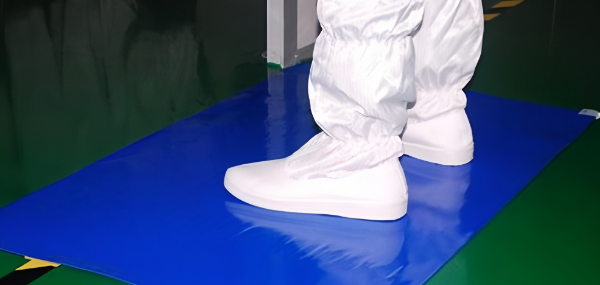
Common Problems in Sticky Mat Usage
1. Improper Sizing Creates Dust Blind Spots
If the sticky mat does not fully cover the entrance or passageway, particles can bypass the mat entirely. This creates “blind spots” where dust is not effectively captured, reducing the overall cleanliness of the controlled area.
To avoid this:
- Ensure the mat fully covers the width of the entrance
- Consider multiple mats for wider or high-traffic areas
- Place mats in transition zones where contamination risk is highest
2. Adhesive Residue After Removal
Another frequent issue is adhesive residue left on the floor after replacing used mats. This can:
- Affect the appearance of the cleanroom
- Prevent new mats from lying flat
- Reduce adhesion and dust-trapping efficiency
Proper handling is essential to maintain both cleanliness and usability.
Choosing the Right Sticky Mats
Selecting the right product is the first step toward effective dust control.
When purchasing cleanroom sticky mats, prioritize:
- Low-residue adhesive to minimize floor contamination
- Balanced adhesion strength for effective dust capture without damage
- Easy-peel design for smooth layer removal
- Consistent quality for stable performance
High-quality mats are engineered to provide strong dust-trapping capability while leaving minimal residue during replacement.
Proper Replacement and Cleaning Methods
Step 1: Replace Mats Regularly
Remove each layer once it becomes visibly dirty or loses tackiness. Regular replacement ensures consistent performance.
Step 2: Handle Residue Safely
If adhesive residue remains on the floor:
- Apply a small amount of alcohol or specialized adhesive remover
- Let it sit for about 30 seconds to soften the residue
- Gently wipe with a soft cloth (such as microfiber)
Step 3: Avoid Floor Damage
Do not use hard tools like metal scrapers. These can damage floor coatings and compromise cleanroom standards.
Best Practices for Cleanroom Efficiency
To maximize the effectiveness of sticky mats:
- Install mats at all key entry points
- Train staff on proper usage (step fully on the mat)
- Monitor usage frequency and replace layers in time
- Keep surrounding areas clean to prevent secondary contamination
Conclusion
Cleanroom sticky mats are a simple yet highly effective solution for contamination control—but only when used correctly. By selecting the right products, ensuring proper sizing, and following standardized replacement procedures, facilities can significantly improve cleanliness and operational efficiency.
FAQ
Q: How often should cleanroom sticky mats be replaced?
Each layer should be replaced once it becomes dirty or loses adhesion, depending on traffic levels.Q: How can adhesive residue be removed safely?
Use alcohol or a dedicated adhesive remover and wipe gently with a soft cloth—avoid using hard tools.
Post time: Apr-20-2026